
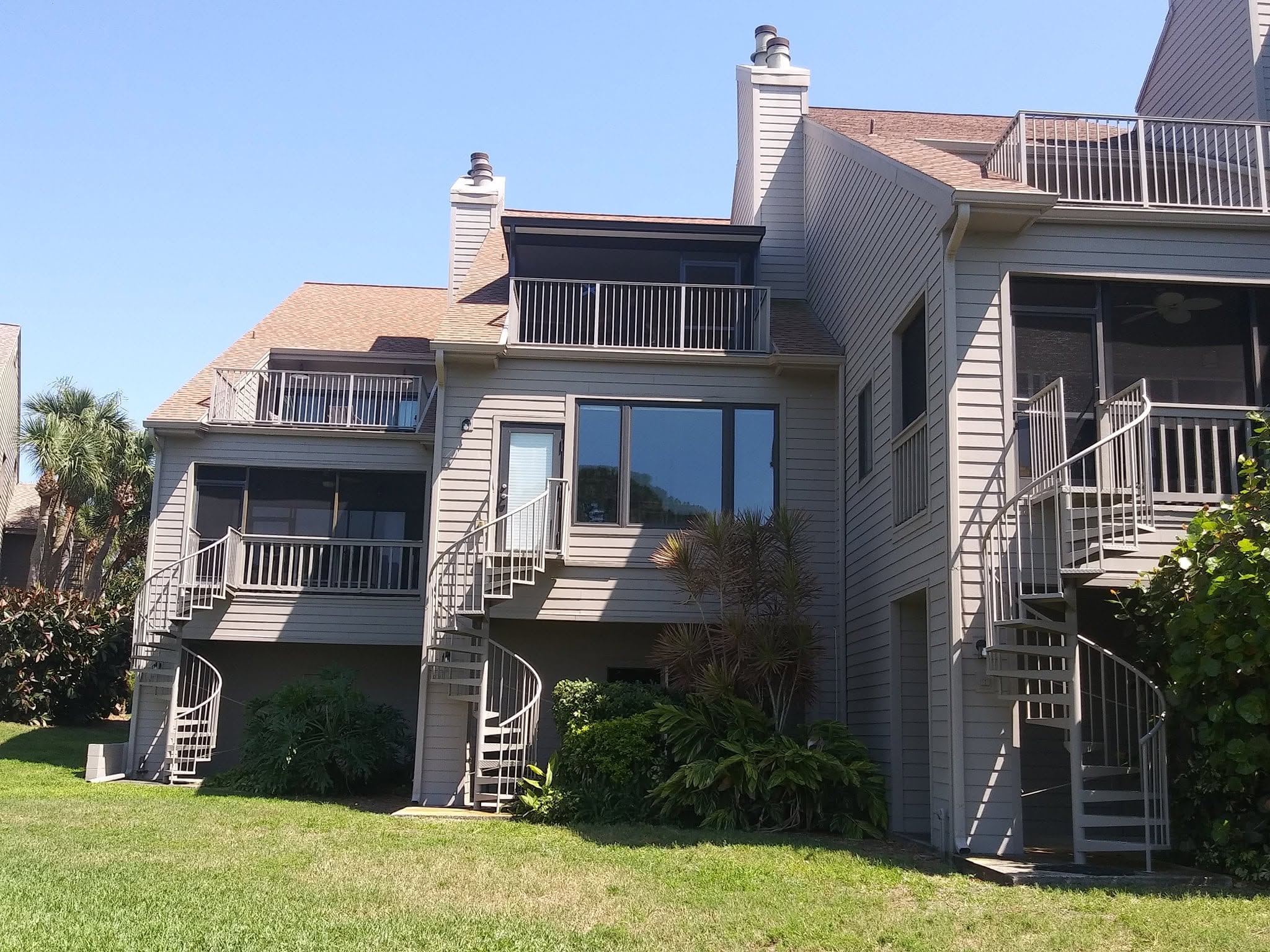
St. Petersburg’s neighborhoods vary from historic and urban streets to waterfront communities, mid-century ranch areas, and suburban pockets. A homeowner in the Old Northeast, Kenwood, Shore Acres, Disston Heights, Jungle Terrace, or a nearby Gulf-facing area may have a different renovation priority, but the common goal is a home that feels more comfortable, secure, and useful in Florida weather.
Home improvement planning for St. Petersburg properties
The Old Northeast and Kenwood may call for careful attention to proportions, trim, and the character of an existing home. Shore Acres and waterfront-adjacent properties may require a more detailed exposure and maintenance conversation. Disston Heights, Jungle Terrace, and inland neighborhoods may have larger yards, screened patios, or older openings that benefit from a practical, staged improvement plan.
St. Petersburg includes cottages, block ranches, renovated bungalows, townhomes, condos, and larger properties with pool or patio areas. Replacement windows and doors should be evaluated with the existing facade, trim, thresholds, stucco, and access in mind. Outdoor structures should be coordinated with tree roots, slabs, drainage, fences, and the way neighbors or HOAs view exterior changes.
Replacement windows and exterior doors in St. Petersburg
A St. Petersburg homeowner may be looking for quieter rooms, easier window operation, less afternoon glare, better-sealed openings, or a refreshed front elevation. A useful window plan is room-specific and includes glass, frames, screens, hardware, opening preparation, exterior sealing, interior trim, cleanup, and written warranty information. It should not promise a universal percentage of energy savings.
Windows and doors are connected to comfort, daylight, security, curb appeal, and weather management. For a St. Petersburg project, ask which openings are included, what preparation is expected, how the crew will protect finished surfaces, and which written product and installation warranties apply. The estimate should identify the selected frame and glass, operating style, screens, locks, trim, disposal, and cleanup instead of leaving those details to assumptions.
Screen rooms and patio covers for St. Petersburg outdoor living
Screen rooms and patio covers can help St. Petersburg families use the backyard or side yard more often. A screen enclosure may suit a pool or pet area, while a cover may be enough for shade over a table or door. On tight urban lots, the plan should address setbacks, drainage, access, roof runoff, and the relationship to neighboring properties.
A well-planned outdoor project begins with use rather than a picture of a finished structure. Consider where the family eats, where pets or pool equipment move, where afternoon sun lands, where rainwater flows, and whether the space needs open airflow or more weather separation. Those observations help Daly compare a screen room, patio cover, glass room, vinyl room, or acrylic room in a way that fits the property.
Sunrooms, glass rooms, and additions
A St. Petersburg glass, vinyl, or acrylic room can be planned as a flexible transition space, but the enclosure should match the home’s exposure and intended use. A room addition involves a larger structural scope and may bring electrical, HVAC, insulation, and finish requirements. The homeowner should see those distinctions in the written proposal.
Before approving an enclosure, discuss flooring transitions, ventilation, lighting, electrical needs, furniture, cleaning, and the relationship to the existing HVAC system. A bright room can still become uncomfortable if solar exposure and airflow are ignored. A conventional room addition may offer a different level of separation but should be evaluated as a structural project with its own scope, schedule, inspections, and finish decisions.
Permits and project details for St. Petersburg
St. Petersburg properties may be inside the City of St. Petersburg or another Pinellas jurisdiction, and local rules can differ. Additions, patio covers, screen enclosures, and altered openings may require permits and inspections. Historic-district, HOA, flood, and coastal considerations can add review. Confirm the address-specific requirements before scheduling construction.
Permit responsibility should be visible in the written estimate. Ask who prepares plans, submits applications, schedules inspections, supplies product approvals, and responds if the building department requests a revision. HOA, deed-restriction, flood, historic, or coastal rules may be separate from a public permit. Daly can discuss the process for the project, but the applicable authority and property-specific requirements control.
A locally grounded project approach
A realistic St. Petersburg project might begin with a front-room window plan and continue to a shaded side patio. The contractor can evaluate sightlines, historic proportions, frame colors, shade, privacy, drainage, and how the outdoor space is accessed. Coordinating the design can help the improvements feel intentional instead of like unrelated replacements.
Ask for a written scope that explains product, measurements, opening preparation, installation, trim, sealing, removal, disposal, cleanup, permit and inspection responsibilities, exclusions, payment terms, and warranty documents. This is especially important when an older St. Petersburg property has nonstandard openings or previous renovations.
Materials, care, and long-term use
Water, salt, rain, tree debris, and dense urban landscaping can affect St. Petersburg exterior improvements. Homeowners should understand cleaning, screen care, drainage, fastener inspection, sealant checks, and the best way to rinse exposed surfaces. Good maintenance advice should be specific to the property’s exposure and the selected materials.
Ask for product-care instructions before installation is complete. A homeowner should know how to clean tracks and screens, maintain drainage, inspect sealants and fasteners, handle minor adjustments, and contact the installer if a product or installation concern appears. These practical details are part of a responsible residential improvement conversation.
Local planning notes for St. Petersburg
St. Petersburg homeowners may be improving a historic-feeling bungalow, a mid-century home, a newer subdivision property, or a house near the bay and the city’s extensive waterfront. The project should respect that setting. Window proportions, exterior trim, door thresholds, screen lines, and patio-cover attachments can affect both the appearance and the performance of the finished improvement. A property near the water or an open exposure may also require a more detailed conversation about product approvals, cleaning, hardware, drainage, and the local permit path. Before a St. Petersburg estimate, homeowners can make the consultation more useful by identifying the rooms and transitions that cause trouble. Note where the sun makes a room uncomfortable, which opening is difficult to operate, where rain reaches the patio, and how furniture or equipment limits access. If the goal is a more usable outdoor space, explain whether the family wants airflow and insect control, dependable shade, or more separation from weather. The written scope should distinguish a screen room, patio cover, glass room, vinyl room, acrylic room, or room addition and state the related preparation, finish work, inspections, and warranty responsibilities. Historic, HOA, flood, or neighborhood requirements may need separate confirmation.
A St. Petersburg homeowner may also need to coordinate access in a compact lot or an established neighborhood. Discuss parking, staging, landscaping protection, interior pathways, and the timing of removal work before installation begins. Those logistical details are part of a professional residential plan and can reduce surprises once the crew arrives.
Residential services available in St. Petersburg
Daly Aluminum focuses on homeowner projects rather than wholesale or DIY product sales. Available residential services include replacement windows, exterior doors, screen rooms, patio covers, sunrooms and glass rooms, vinyl rooms, acrylic rooms, and room additions. Each service has different product, installation, permit, and maintenance considerations, so the consultation should start with the home and the result the homeowner wants.
Frequently asked questions from St. Petersburg homeowners
It can often be planned around existing proportions, trim, colors, and opening patterns, but historic or neighborhood requirements should be confirmed for the address.
The opening should be measured and inspected before a product is selected. The estimate should identify any trim, framing, finish, or structural work that may be needed.
No. A municipal or county permit is separate from an HOA, historic, or deed-restriction review. Homeowners should check both paths.
It may be, subject to setbacks, drainage, roof runoff, attachment points, access, and local requirements. A site visit can identify the feasible footprint.
No product can promise that universally. Results depend on the source, glass and frame selection, installation, surrounding walls, and the type of noise.
Many homeowners begin with the rooms or openings causing the clearest problems, then plan later phases based on budget, condition, and the written scope.
Start with a St. Petersburg home-improvement conversation
If you are comparing windows, doors, a screened outdoor room, a patio cover, or a more enclosed addition, begin by describing what is not working today. Daly Aluminum serves homeowners in St. Petersburg and throughout Pinellas County, with residential consultations focused on the property, the intended use, the written scope, and the applicable local requirements.
Request an estimate online through the Contact page or call (727) 761-7498. The next step is a site-specific discussion, not a universal promise about price, savings, timing, or permit results.