
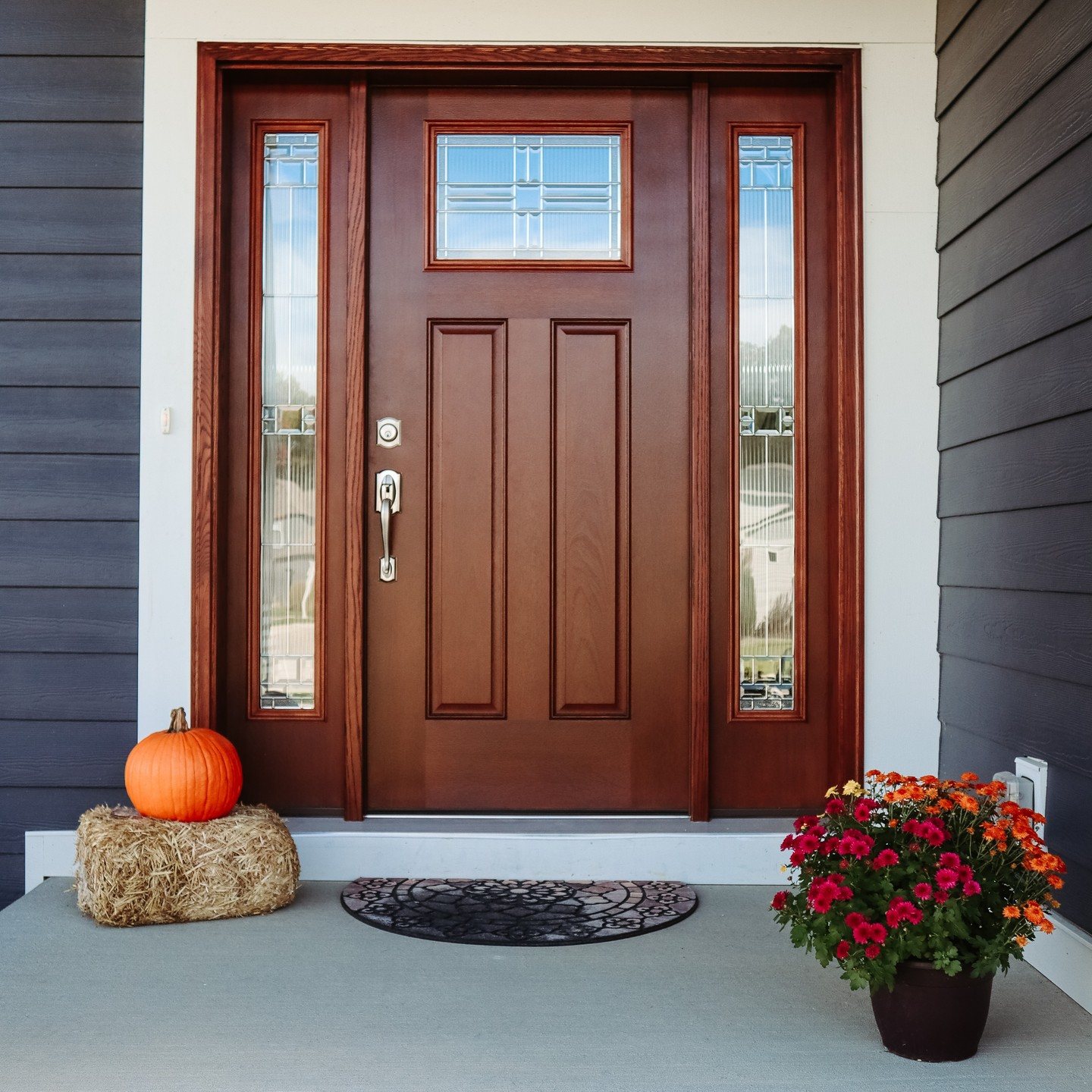
Shopping for an Entry Door Is More Complicated Than It Looks
A front door seems like a simple purchase until you start looking. Suddenly you are comparing materials, glass options, weather ratings, impact ratings, and prehung versus slab, and every source has an opinion about which brand is right.
Daly Aluminum works with homeowners across Pinellas, Pasco, and Hernando Counties, and the request is usually the same: a door that looks good, seals well, and holds up in Florida weather. Therma-Tru is one of the fiberglass entry door brands that comes up often in this area. This guide covers what to consider, what to verify, and what to ask before you commit. Product specifications, available styles, and current warranty terms are published by the manufacturer at thermatru.com, and we recommend confirming details there or in writing from your supplier rather than relying on any article.
What Florida Asks of an Entry Door
Doors here deal with direct sun, high humidity, heavy rain driven sideways by wind, and salt air near the coast. Those conditions expose weak points quickly:
- Wood slabs and jambs can swell, warp, or rot when finishes are not maintained.
- Steel doors can dent, and cut edges or scratches can corrode near salt air.
- Thresholds and sweeps wear out and start letting water and air past.
- Sun exposure fades finishes on doors without a protective overhang.
- Poorly sealed installations leak at the sill or the head, often invisibly at first.
Fiberglass, Steel, or Wood
| Material | Strengths | Trade-offs |
|---|---|---|
| Fiberglass | Does not rot or rust, dimensionally stable in humidity, available with woodgrain textures, insulating core, low maintenance | Usually costs more than basic steel; finish quality varies by product line |
| Steel | Strong, typically the lowest cost, good security | Can dent; scratches and cut edges are vulnerable to corrosion near the coast |
| Wood | Authentic appearance, easy to refinish, ideal for historic homes | Highest maintenance here; vulnerable to moisture, warping, and insects |
For most homes in this region, fiberglass is the practical choice, which is a large part of why brands like Therma-Tru are commonly specified in coastal Florida. Wood remains the right answer when appearance or historic character is the priority and the owner plans for maintenance.
Ratings to Verify Before You Buy
Do not rely on general durability language. There are three documented items worth checking on any entry door you consider:
- Florida Product Approval or Miami-Dade Notice of Acceptance. This documents what the door unit was tested for, including design pressure and, where applicable, impact resistance. You can search approvals yourself at floridabuilding.org.
- Design pressure rating. The wind pressure the assembled unit was tested to handle. What you need depends on your location and exposure, and the requirement is determined during permitting.
- Energy ratings. Where certified, U-factor and Solar Heat Gain Coefficient apply to door units too, particularly ones with glass. ENERGY STAR explains the ratings and its criteria at energystar.gov.
Note that ratings apply to a complete unit, meaning the slab, frame, glass, and hardware as tested. Substituting a decorative glass insert or a different frame can change what the assembly is rated for, so ask about the specific configuration you are ordering.
Mistakes We See Most Often
- Buying a slab when the frame is the problem. If the jamb, sill, or brickmould is damaged or out of square, a new slab alone will not solve the leak or the sticking.
- Assuming any door fits the opening. Rough openings vary, especially in older homes and after previous remodels.
- Overlooking the swing and hinge orientation. Getting handing wrong on a custom order is an expensive delay.
- Ignoring glass performance on a west-facing door. Large decorative glass on a hot exposure will make the entry area warm.
- Skipping impact requirements. If your location requires opening protection, a non-rated unit is a permitting problem, not just a preference.
- Treating installation as an afterthought. Flashing, sill pan detailing, shimming, and sealing determine whether the door leaks.
- Match the door's proportions and panel layout to the era and scale of the house.
- Consider how much glass you want, balancing daylight in the entry against privacy and heat gain.
- Think about the finish color in relation to sun exposure; dark colors absorb more heat on an unshaded door.
- Choose hardware finish for both appearance and corrosion resistance, particularly near the water.
- If you want sidelites, confirm the opening can accommodate the wider unit before falling in love with a design.
- Have you installed this manufacturer's doors before, and will you handle the frame if it needs replacement?
- What is the product approval number and design pressure for the unit you are quoting?
- Who pulls the permit, and which inspections apply at my address?
- How will the sill and head be flashed and sealed?
- Is interior and exterior trim, caulking, painting, and hardware installation included?
- What does your workmanship warranty cover, and how does it differ from the manufacturer's warranty?
- Can you provide license and insurance information I can verify?
What Drives the Price
We do not publish price ranges, because entry door projects vary too much for a general number to be useful. What we can tell you is what moves the cost:
| Factor | Effect |
|---|---|
| Slab only versus complete prehung unit | A prehung unit includes the frame, sill, and weatherstripping |
| Sidelites and transoms | Widen the opening and add glass and framing |
| Decorative or privacy glass | Varies widely by pattern and construction |
| Impact rating and design pressure | Higher-rated assemblies cost more |
| Finish | Factory finishing and staining cost more than a primed door finished later |
| Hardware | Multi-point locking and premium finishes add cost |
| Existing frame condition | Rot repair or structural correction adds scope |
| Permits and inspection | Fees vary by jurisdiction |
Ask for a written quote that states exactly what is included so you can compare fairly.
Choosing a Style That Fits the House
Fiberglass doors are available in a wide range of looks, from smooth contemporary panels to textured woodgrain. A few practical pointers:
Questions for Your Installer
Florida contractor licenses can be checked at myfloridalicense.com, and insurance can be confirmed directly with the insurer.
Permits, Code, and Insurance
Replacing an exterior door generally requires a permit in this region, and requirements depend on the jurisdiction and the scope of the work, including whether the opening is being modified. Confirm for your address with Pinellas County, Pasco County, or Hernando County, or your city if applicable. Compliance is determined against the Florida Building Code edition in force for your permit; general information is at floridabuilding.org.
If you are hoping an impact-rated door will affect your insurance, ask your agent first. Wind mitigation credits depend on your carrier, your policy, and an inspection documenting all protected openings, so a single door may or may not change anything on its own.
Talk to Daly Aluminum About Your Entry
Daly Aluminum installs entry doors, patio doors, replacement windows, and related home improvements for homeowners in Pinellas, Pasco, and Hernando Counties. We will look at the existing opening and frame condition, discuss style and glass options, explain what the permit path looks like for your address, and put the scope in writing.
Planning a residential improvement?
Share your project goals with Daly Aluminum and request an estimate conversation for your Florida home.
REQUEST AN ESTIMATE