
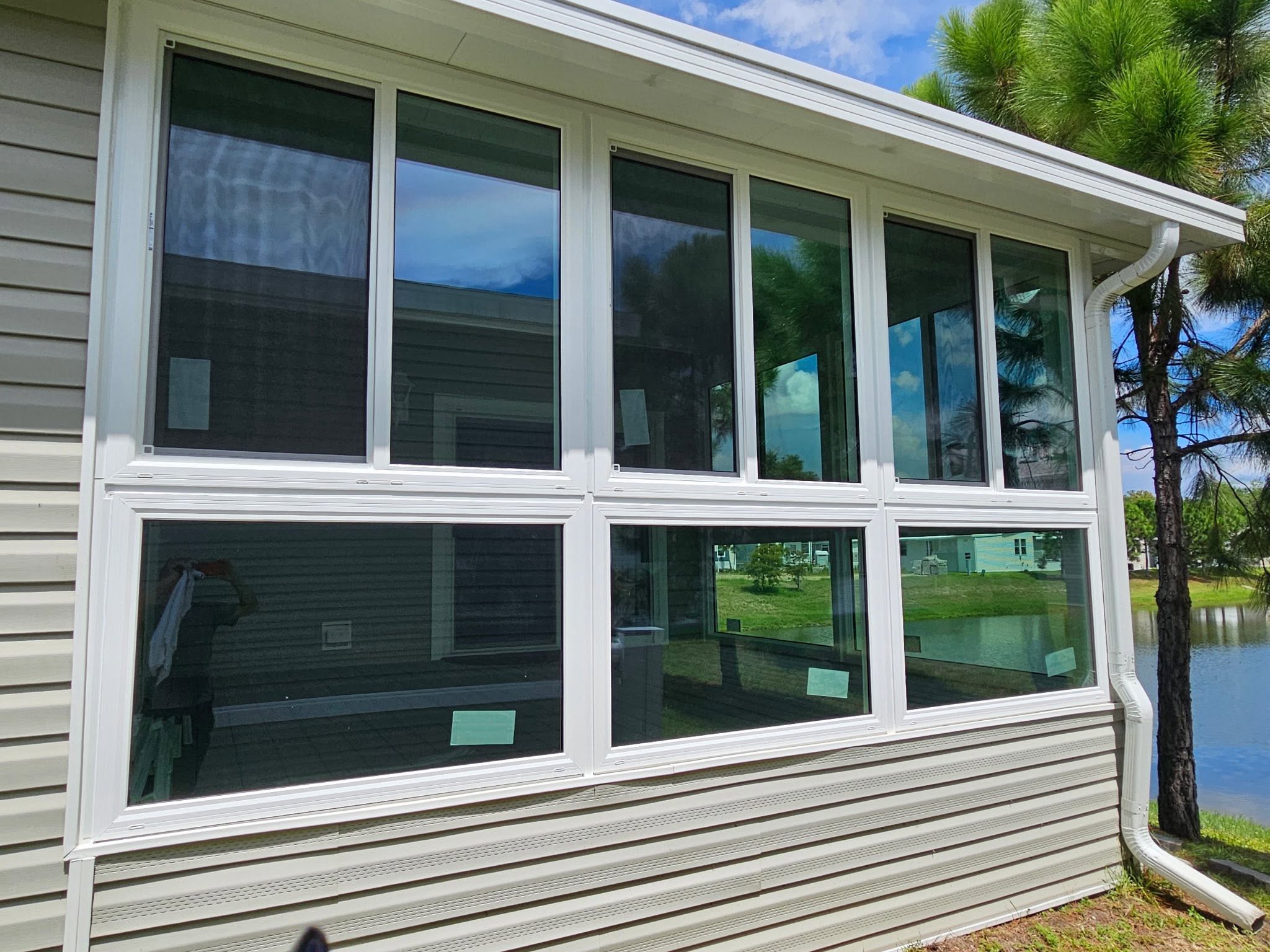
Florida homeowners live with intense sun, long cooling seasons, humidity, and weather that can change quickly. Older or poorly performing windows may make rooms feel warmer near the glass, allow more outside noise into the home, or leave the air conditioner working harder to maintain a comfortable temperature. Replacing windows can be a meaningful home-improvement project, but the best result comes from comparing the complete system rather than choosing a product from one performance number.
What makes a window energy efficient?
Energy performance is influenced by the glass, frame, spacers, seals, installation, and the way the window fits the opening. Two terms are especially useful when comparing products. U-factor describes how readily heat moves through the window; lower values generally indicate better insulation. Solar heat gain coefficient, or SHGC, describes how much solar heat enters through the window; the right value depends on the climate, orientation, shading, and the homeowner’s comfort goals.
ENERGY STAR explains that certified products are selected using climate-specific performance criteria. That does not mean every certified window will be the right choice for every Florida room. A west-facing room with strong afternoon sun may have different priorities from a shaded room on the north side of the home. A conversation with a qualified installer should include the home’s orientation, existing window condition, frame material, opening dimensions, and the manufacturer’s installation requirements.
Why installation matters as much as the product
A well-performing window can underperform if the opening is not measured accurately, the existing condition is not addressed, or the installation does not follow the manufacturer’s instructions. Homeowners should ask how the installer handles removal, opening preparation, flashing or sealing details, trim, cleanup, and final operation checks. The written scope should identify which windows are included, the selected product, any structural or finish work, and what is excluded.
Florida homes can also have project-specific requirements related to wind exposure, opening protection, flood zones, local review, or community rules. A contractor should explain which items need to be confirmed before work begins rather than promising that every project follows the same process. Daly Aluminum serves homeowners in Pinellas, Pasco, and Hernando counties, where the correct project path depends on the property and the scope.
How much can replacement windows save?
Homeowners often ask for a fixed percentage or a guaranteed payback period. Those numbers are not responsible without reviewing the existing windows, glass area, thermostat settings, shading, insulation, air leakage, utility rates, and the specific replacement product. ENERGY STAR reports average nationwide savings of up to 13 percent when replacing single-pane windows with ENERGY STAR certified products, but individual results vary and that figure should not be treated as a promise for a particular Florida home.
Comfort may be the most immediate benefit. A better-sealed window system can reduce drafts and help rooms feel more even, while a suitable glass package can reduce glare or the sensation of radiant heat near the window. Those benefits are worth discussing alongside energy use, but homeowners should request product-specific documentation rather than relying on a general sales claim.
Questions to ask before choosing a window contractor
- Which product line and glass package are included in the written estimate?
- What are the product’s U-factor and SHGC values for this climate and exposure?
- How will the existing opening be inspected and prepared?
- Who is responsible for permits, inspections, trim, disposal, and cleanup?
- What written manufacturer and installation warranties apply, and who handles a service request?
- What conditions could change the scope or price after removal begins?
Compare the whole-home impact
Windows interact with more than the cooling system. They affect daylight, glare, exterior appearance, furniture placement, noise, cleaning, ventilation, and how easily a room connects to the rest of the home. A good consultation should consider those daily-use details along with technical performance. Ask whether the proposed operating styles work with the way you ventilate the house, whether screens and locks are included, and how the finished trim will look from inside and outside. If only selected windows are being replaced, compare the sightlines and frame colors with the openings that remain. These practical questions can be just as important as the product label when you are planning a long-term improvement.
A practical next step for Florida homeowners
Start with the rooms that are least comfortable or the windows showing the clearest signs of age, failed seals, difficult operation, or air leakage. Take note of afternoon heat, condensation between panes, outside noise, and any water intrusion. Those observations help the contractor recommend a project that fits the home instead of treating every opening as identical.
Daly Aluminum provides residential window replacement services for homeowners across Pinellas, Pasco, and Hernando counties. If you are comparing options, request a project conversation that covers the home, the openings, the product choices, installation details, and the written estimate. That process gives you better information without promising a result that cannot be known before the specific project is evaluated.
Sources: ENERGY STAR residential windows guidance and the U.S. Department of Energy purchasing guide.
Planning a residential improvement?
Share your project goals with Daly Aluminum and request an estimate conversation for your Florida home.
REQUEST AN ESTIMATE