
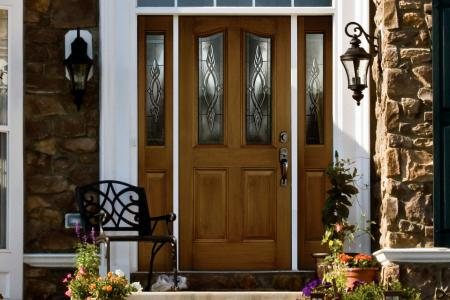
What Homeowners Actually Want From a Front Door
The request we hear most often in Pinellas County is modest. People want a front door that looks good, closes properly, keeps the conditioned air inside, and still looks decent after a few Florida summers. That should be simple, and yet front doors are one of the most common replacement calls we get.
The usual complaints follow a pattern: a door that sticks after heavy rain, a finish that bubbles or chalks in direct sun, a bottom rail that has started to break down, or corrosion near the threshold. At Daly Aluminum, when homeowners ask what we would put on our own house in this climate, fiberglass is usually the answer, and Plastpro is one of the fiberglass door lines we work with.
Why Fiberglass Fits This Climate
Gulf Coast conditions are hard on doors. Sun exposure, constant humidity, salt in the air near the water, and wind driven rain all attack a door slab and its finish. Fiberglass addresses several of those stresses at once:
- The skin does not absorb moisture the way wood does, so swelling and rot are far less of a concern.
- It does not rust, which matters near the coast.
- Insulating foam cores help reduce heat transfer compared with a hollow slab.
- Factory applied finishes and grain textures hold up better than most field painted wood.
- Composite frame and jamb options avoid the classic wood jamb rot at the sill.
Fiberglass is not magic. Hardware still needs maintenance, sealant joints still need inspection, and a poor install will undo a good product. But as a material choice for a hot, humid, salty environment, it is a sensible starting point.
Popular Door Styles and Who They Suit
Craftsman
Clean lines and simple panel detailing. A natural fit for bungalows and ranch homes, and it pairs well with sidelights.
Full lite with clear or decorative glass
A strong choice when the entry feels dark. Decorative or privacy glass keeps light without exposing the foyer, and impact rated glazing options exist if storm protection is a requirement.
Flush or minimal panel
Smooth, modern, and easy to keep clean. Works well on newer construction and updated exteriors.
Impact rated fiberglass
If the opening needs approved protection, this is the direction to look. Confirm the specific slab, frame, glass, and hardware combination is covered by a current Florida product approval for your design pressures.
Wood grain textures
Mahogany and oak grain embossing gives the appearance of a wood door with the maintenance profile of fiberglass. Finish longevity depends on sun exposure and the finish system used.
Fiberglass Versus Wood Versus Steel
| Consideration | Fiberglass | Wood | Steel |
|---|---|---|---|
| Moisture and humidity | Does not absorb water; resists swelling and rot | Can swell, warp, and rot without diligent maintenance | Does not rot, but can corrode where the finish is breached |
| Salt air exposure | Generally handles it well | Finish breaks down faster near the coast | Most vulnerable of the three unless carefully maintained |
| Dents and impacts | Resists dents; damage is usually localized | Can be sanded and refinished | Dents can be difficult to repair cleanly |
| Maintenance | Low; periodic cleaning and sealant checks | Highest; regular refinishing expected | Moderate; watch for finish damage and rust spots |
| Appearance options | Smooth or wood grain, wide finish range | True wood grain and custom millwork | Typically painted, fewer texture options |
| Insulation | Foam core options perform well | Depends on construction | Foam core options perform well |
Common Door Problems and What Usually Causes Them
- The door sticks after rain. Often moisture movement in a wood slab or jamb, or a frame that has shifted out of square.
- The finish bubbled or faded. Usually a field applied coating on a sun exposed elevation without adequate ultraviolet protection.
- The bottom is deteriorating. Water sitting at the threshold, sometimes combined with a missing or failed sill pan.
- Mold or staining around the frame. A drainage and flashing issue more often than a door issue.
- Drafts and high cooling bills. Worn weatherstripping, a poorly adjusted threshold, or an out of square install.
Notice how many of those are installation and detailing problems rather than product problems. That is why we spend as much time on the opening as on the slab.
What to Confirm Before You Order
- The exact product and configuration. Slab, frame material, glass, hardware, and finish should all be listed on your proposal.
- Product approval, if protection matters. Verify the approval covers your size and configuration using the Florida Product Approval search.
- Energy performance, if that is a goal. Look for the rating label and, for qualifying products, criteria published through the ENERGY STAR products program.
- Warranty terms in writing. Manufacturer coverage on the slab and finish is separate from workmanship coverage on the installation. Ask for both documents and read the exclusions rather than relying on a verbal summary.
- Permitting. Exterior door replacement commonly requires a permit and inspection. Confirm current requirements with your local building department, for example Pinellas County or Pasco County, or your city office if you are inside city limits.
- Insurance implications. If you are installing approved opening protection, ask your carrier what documentation or inspection is needed before assuming any premium credit applies.
How We Approach a Door Project
- We measure the opening and look at the existing frame, threshold, and surrounding wall condition.
- We ask how much light you want, what maintenance level you are comfortable with, and whether impact protection is part of the goal.
- We show finish and glass samples so you are choosing from real materials rather than a thumbnail.
- We install square, level, and properly sealed, with attention to the sill and flashing details that determine whether the door leaks in five years.
Final Thoughts
A front door is the most used moving part on your house and the first thing visitors see. In Pinellas County, the material you choose has to deal with sun, humidity, and salt before it deals with style. Fiberglass lines such as Plastpro handle those conditions well, and the remaining variables are the specific configuration you pick and the quality of the installation.
Talk With Daly Aluminum
Daly Aluminum is based in Holiday, Florida and works with homeowners in Pinellas, Pasco, and Hernando Counties. If you want a straight answer about your own home, call us at request a consultation. We will look at your openings, explain the options in plain language, and give you a written scope for your project.
Planning a residential improvement?
Share your project goals with Daly Aluminum and request an estimate conversation for your Florida home.
REQUEST AN ESTIMATE